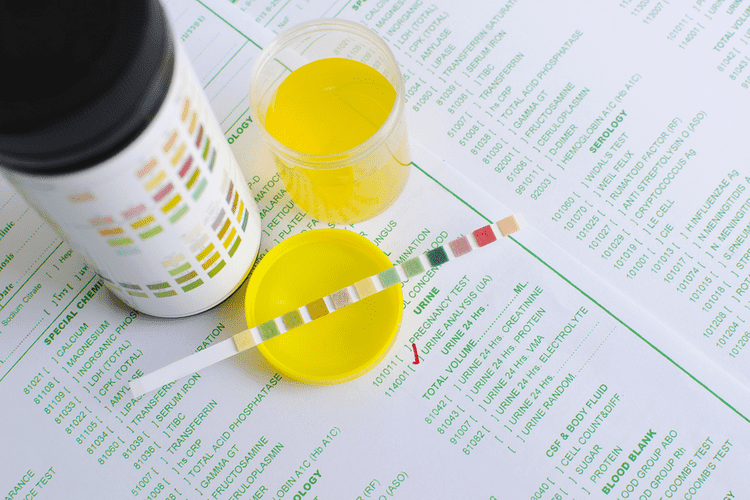
Drug addiction substance use disorder Diagnosis and treatment
When treatment interventions or what passes for treatment fail to work, addicts are met with zero-tolerance policies. Their choice then is a one-way ticket back to detox or homelessness. It’s recovery chutes and ladders, and the thought of being back at the bottom rung felt somehow more hopeless this time. Collier said an assessment will be conducted and the health care staff will determine the next best steps for an individual’s care. Around a long wooden table at San Francisco City Hall, nine people battling drug addiction swapped news on a recent Friday. Withdrawal usually involves at least some discomfort, which can be lessened through various medications administered by doctors and other medical professionals.
When you’re sober again and out of danger, look at what triggered the relapse, what went wrong, and what you could have done differently. You can choose to get back on the path to recovery and use the experience to strengthen your commitment. Once you have resolved your underlying issues, you will, at times, continue to experience stress, https://ecosoberhouse.com/ loneliness, frustration, anger, shame, anxiety, and hopelessness. Finding ways to address these feelings as they arise is an essential component to your treatment and recovery. If your previous social life revolved around drugs, you may need to make some new connections. It’s important to have sober friends who will support your recovery.
Treatment and Recovery
Because addiction can affect so many aspects of a person’s life, treatment should address the needs of the whole person to be successful. Counselors may select from a menu of services that meet the specific medical, mental, social, occupational, family, and legal needs of their patients to help in their recovery. The best way to handle a relapse is to take quick action to seek help, whether it’s intensifying support from family, friends, and peers or entering a treatment program. One advantage of mutual support groups is that there is likely someone to call on in such an emergency who has experienced a relapse and knows exactly how to help. In addition, immediately attending or resuming group meetings and discussing the relapse can yield much advice on how to continue recovery without succumbing to the counterproductive feeling of shame or self-pity.
- Encourages teens to seek emotional support from other adults, school counselors, and youth support groups such as Alateen, and provides a resource list.
- For example, withdrawal symptoms are not specified for inhalant use.
- It can feel stressful to change, which is why the support a person receives in drug and alcohol treatment can be so important in continuing the process of addiction recovery.
Drug addiction can start with experimental use of a recreational drug in social situations, and, for some people, the drug use becomes more frequent. For others, particularly with opioids, drug addiction begins when they take prescribed medicines or receive them from others who have prescriptions. You can support your drug treatment and protect yourself from relapse by having activities and interests that provide meaning to your life.
Family or Couples Counseling and Education
The National Recovery Month webpage provides a host of resources that can be used to help promote the observance. 12-Step programs help people who are struggling with addiction. These support groups and their recovery Steps provide social support to people when they need it. This support can help people stay off drugs or alcohol and make other positive changes in their drug addiction recovery lives, according to the National Institute on Drug Abuse. Recovery from addiction is not a linear process, and increasingly, relapse is seen as an opportunity for learning. Such triggers are especially potent in the first 90 days of recovery, when most relapse occurs, before the brain has had time to relearn to respond to other rewards and rewire itself to do so.
Tips to help you stay sober on St. Patrick’s Day – Midland Daily News
Tips to help you stay sober on St. Patrick’s Day.
Posted: Fri, 08 Mar 2024 13:00:08 GMT [source]
Shortly after substance use is stopped, people may experience withdrawal, the onset of unpleasant physical and psychological symptoms —from irritability to shakiness to nausea; delirium and seizures in severe cases. Enlisting positive support can help hold you accountable to goals. SAMHSA explains that family and friends who are supportive of recovery can help someone change because they can reinforce new behaviors and provide positive incentives to continue with treatment. Due to the complex nature of any substance use disorder, other options for treatment should also include evaluation and treatment for co-occurring mental health issues such as depression and anxiety (known as dual diagnosis).
Overcoming Drug Addiction
Studies also show racial bias makes it harder for Black and Hispanic Americans to find treatment. People in rural areas tend to have less access to health care. Many, though not all, self-help support groups use the 12-step model first developed by Alcoholics Anonymous.